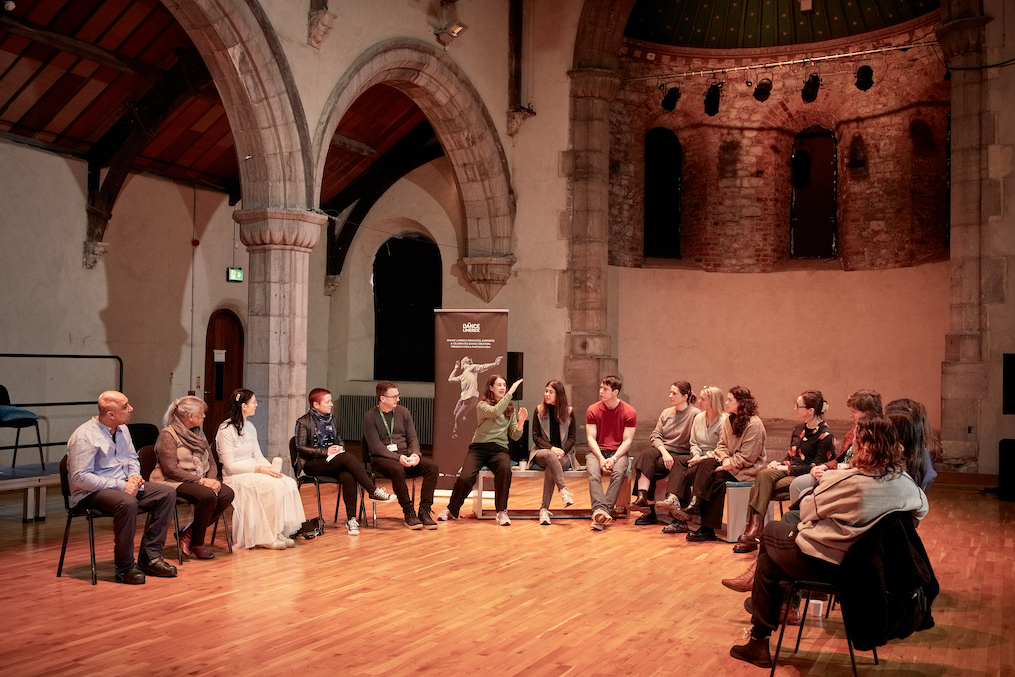
Join our webinar “The Role of Policy and Private Capital in Transformational Adaptation” to explore how public policy and private finance can work together to deliver long-term, inclusive adaptation, the trade-offs and risks involved, and what meaningful alignment looks like in practice.
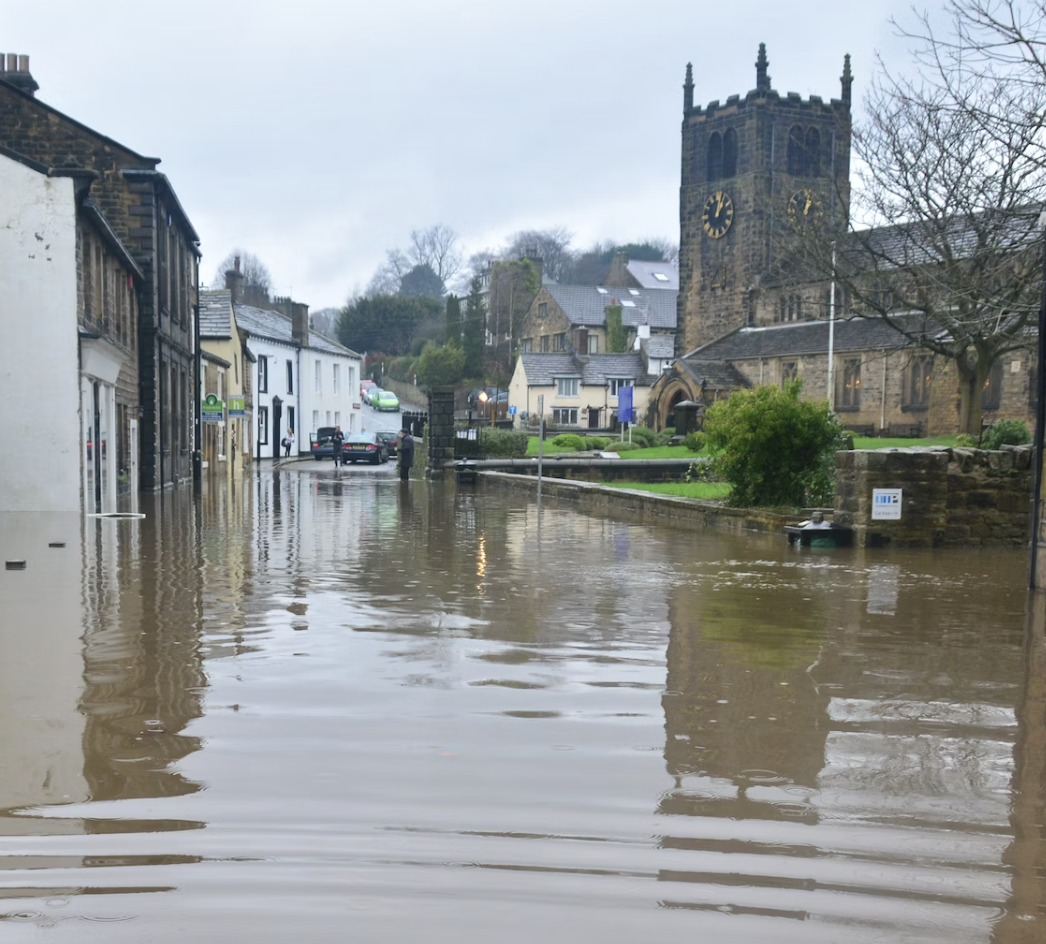
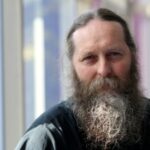
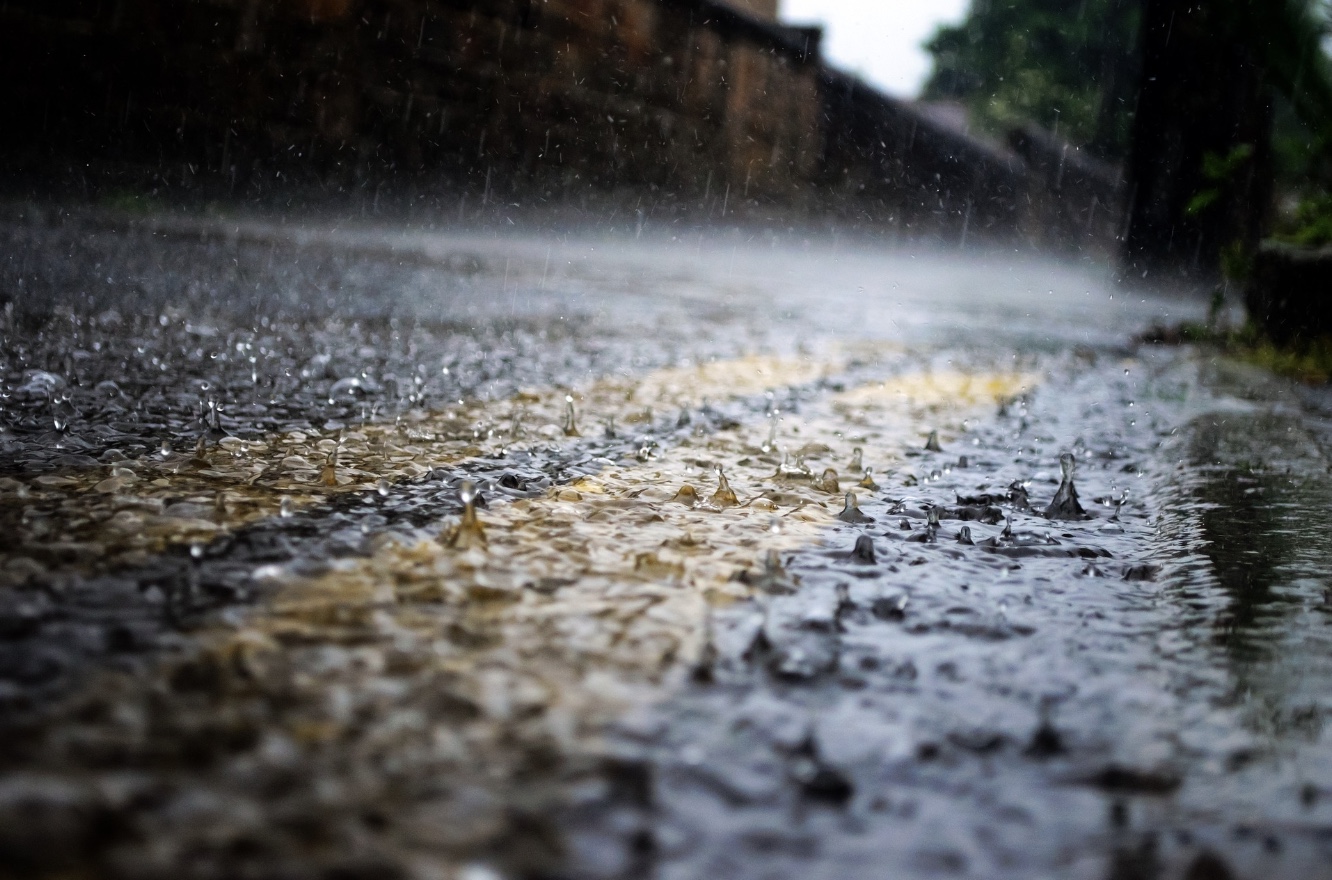
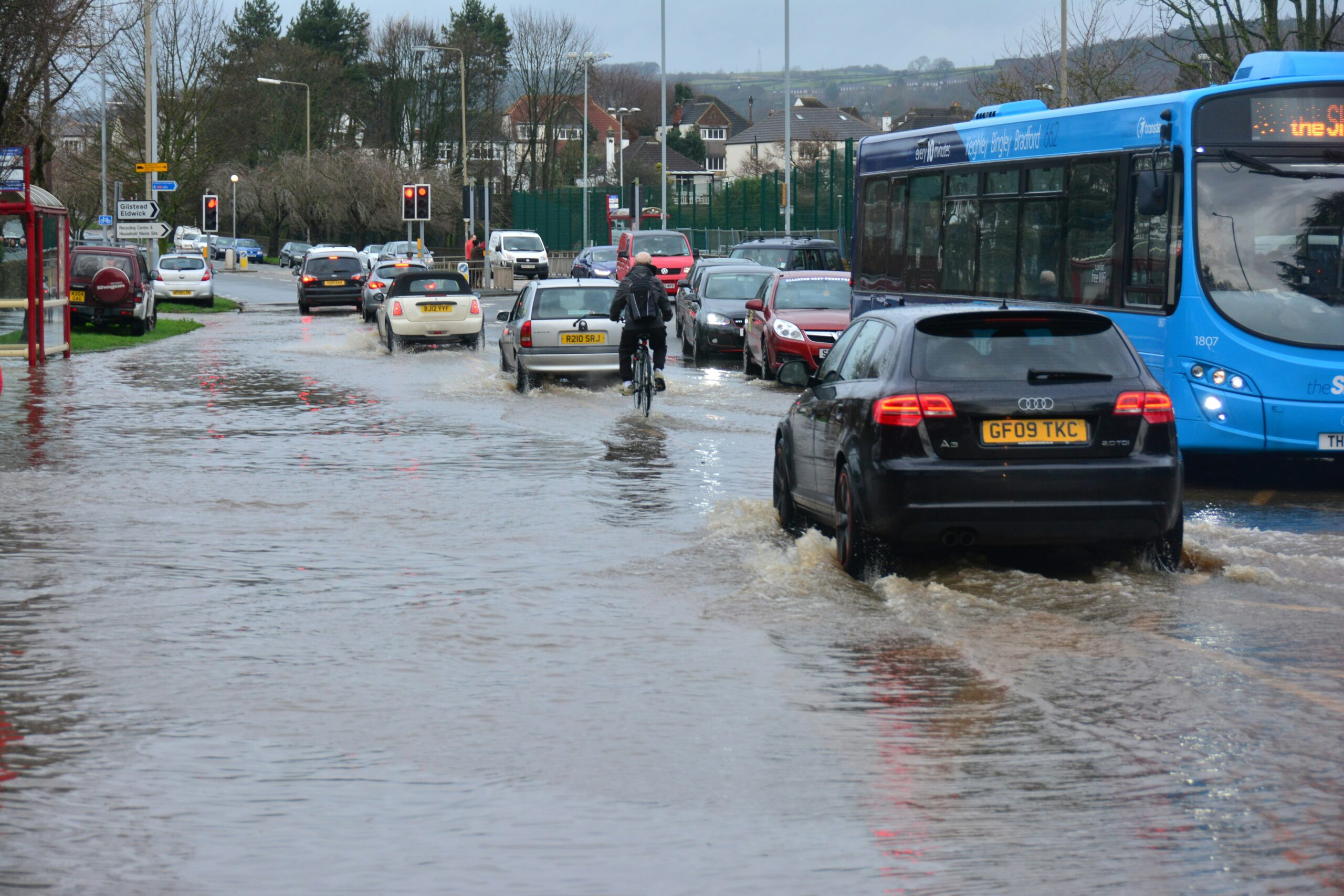
“Especially if you have vulnerable people living in basement flats, there’s a huge risk of loss of life,” says Dr Raghav Pant, MACC Hub. Surface water flooding in London is fast, unpredictable, and increasingly severe.
The MACC Hub supports place-based climate adaptation projects across the UK. Ten projects have now been awarded funding to address local climate risks and deliver practical, scalable solutions.
Climate change is reshaping daily life, yet adaptation often remains incremental and technocratic. This piece explores why transformational approaches are needed, what capabilities they demand, and invites professionals to complete a survey that will guide new training approaches to address systemic vulnerability.
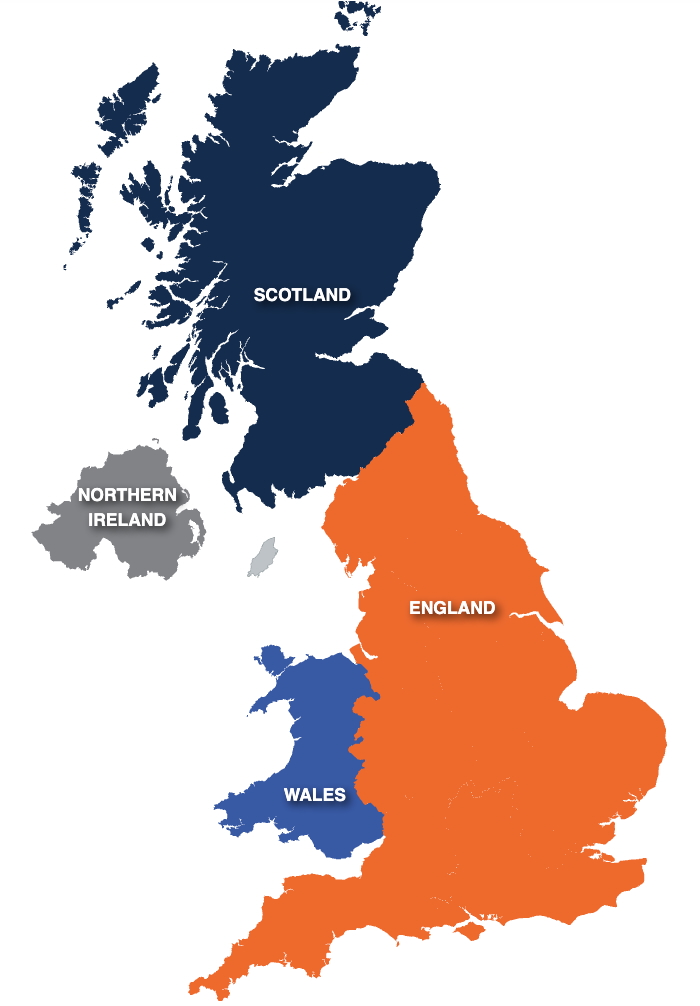
MACC Research projects bring together researchers, businesses, industry partners and communities to develop long-term, practical solutions to extreme weather and other climate impacts across all four UK nations.
Building on previous work co-developing Climate Risk and Vulnerability Assessments (CRVAs) for Birmingham and the wider region, the WM-Adapt project will advance adaptive capacity across the West Midlands.
Joined Up Landscapes (JUL) examines opportunities to enhance the contribution of Nature-based Solutions (NbS) to climate change adaptation in the UK in the medium to long term.
The ‘Accelerating Resilience and Climate Adaptation of Domestic Environments for vulnerable populations’ (ARCADE) project aims to assist decision-makers to protect older heat-vulnerable people in the UK in adapting to climate change within their homes.
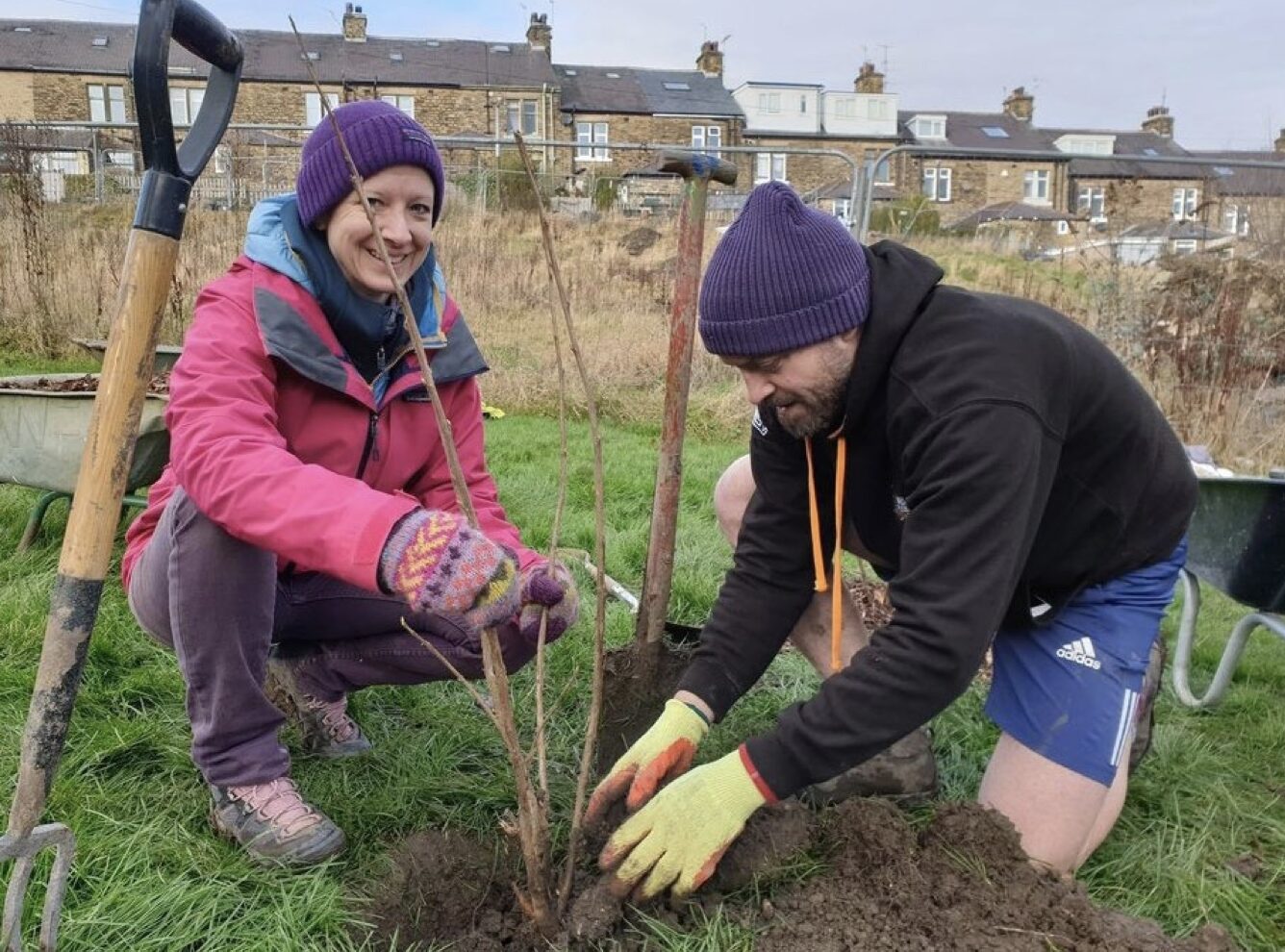
GP4Streets (DIY Greening Prescription for Climate Adaptation in Urban Streets) is a UKRI-funded research project aims to reshape how UK cities adapt to climate change by developing practical, affordable greening solutions for everyday streets.
The MACC Hub supports place-based climate adaptation projects across the UK. Ten projects have now been awarded funding to address local climate risks and deliver practical, scalable solutions.
MACC Research projects bring together researchers, businesses, industry partners and communities to develop long-term, practical solutions to extreme weather and other climate impacts across all four UK nations.
Building on previous work co-developing Climate Risk and Vulnerability Assessments (CRVAs) for Birmingham and the wider region, the WM-Adapt project will advance adaptive capacity across the West Midlands.
Joined Up Landscapes (JUL) examines opportunities to enhance the contribution of Nature-based Solutions (NbS) to climate change adaptation in the UK in the medium to long term.
The ‘Accelerating Resilience and Climate Adaptation of Domestic Environments for vulnerable populations’ (ARCADE) project aims to assist decision-makers to protect older heat-vulnerable people in the UK in adapting to climate change within their homes.
GP4Streets (DIY Greening Prescription for Climate Adaptation in Urban Streets) is a UKRI-funded research project aims to reshape how UK cities adapt to climate change by developing practical, affordable greening solutions for everyday streets.
Adapting to climate-induced food price shocks in the UK project will reveal pathways through which climate-induced food price inflation (climateflation) impacts on health in the UK.
Want to talk about climate and nature in a way that actually connects with people? The 2025 Britain Talks Climate & Nature Toolkit cuts through noise and polarisation with clear, evidence-based guidance designed to help you spark meaningful conversations across every corner of the UK.
The Three Horizons Toolkit has been developed by Public Health Wales and the Future Generations Commissioner’s Office to help public bodies avoid making decisions that don’t stand the test of time. It is based on a model developed by Bill Sharpe and the International Futures Forum.
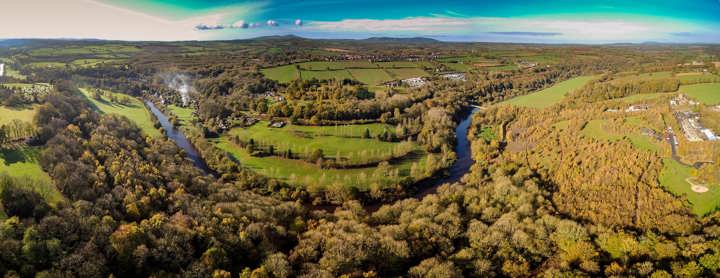
The River Severn Partnership is a cross-sector collaboration that takes a ‘systems-based approach’ to managing the river network to enhance regional wellbeing and prosperity.
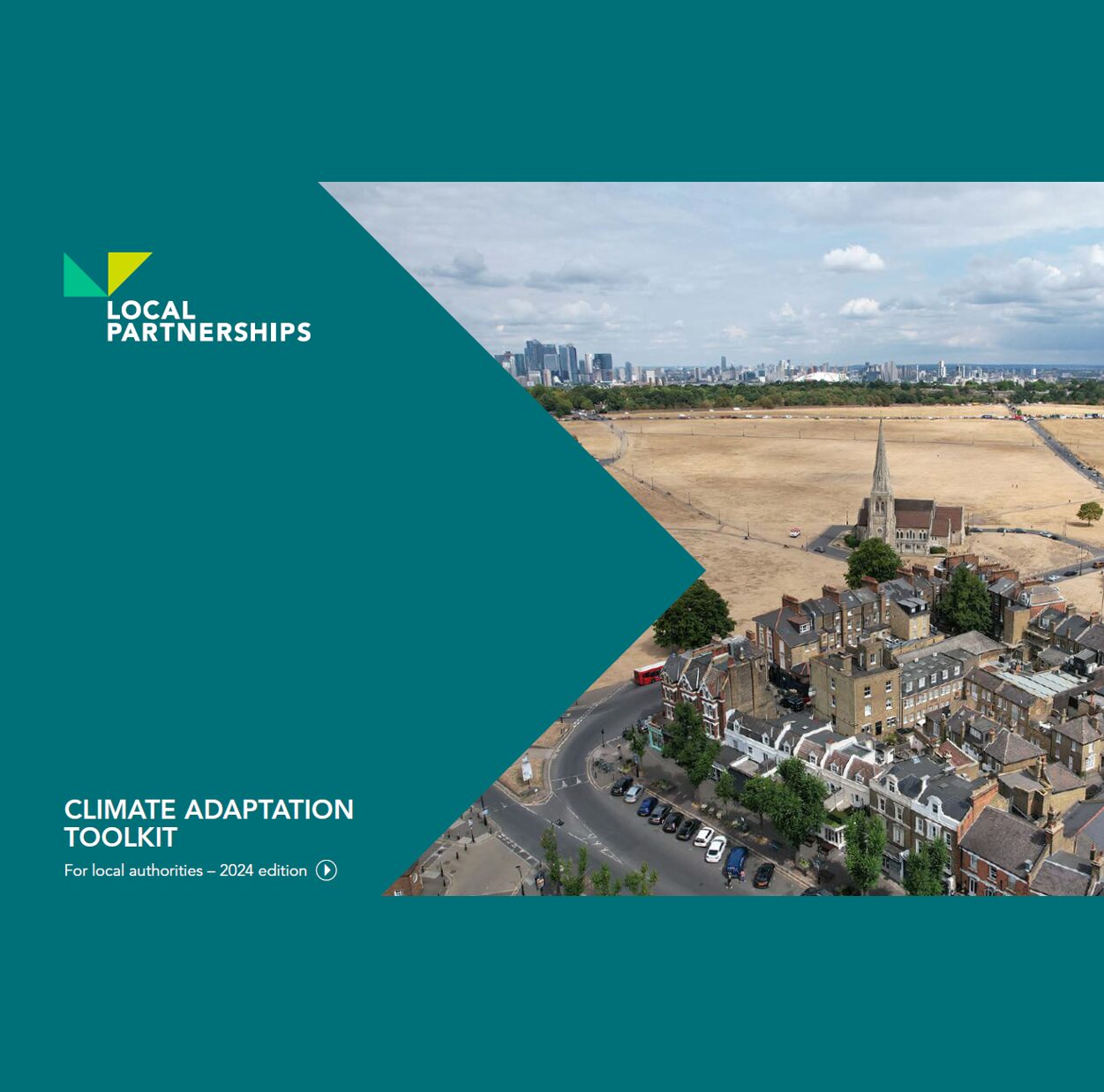
This case study explores the climate change adaptation initiative at Alice Holt Forest in southeast England, a project co-developed by Forest Research and Forestry England.
This case study examines the Resilient Roch project, a pioneering initiative in Rochdale, England, funded by the Flood and Coastal Resilience Innovation Programme (FCIP). The project addresses the interconnected climate and housing challenges faced by disadvantaged communities, whose poor-quality homes are often vulnerable to both flooding and energy inefficiency.
Essex County Council (ECC), in partnership with Basildon and Thurrock University Hospitals, initiated the SPONGE 2020 project to retrofit the Basildon Hospital courtyard with a Sustainable Drainage System (SuDS).
This case study examines the Cambridge Canopy Project, an initiative by Cambridge City Council to increase the city's tree canopy cover from 17% to 19% by the 2050s.
The Three Horizons Toolkit has been developed by Public Health Wales and the Future Generations Commissioner’s Office to help public bodies avoid making decisions that don’t stand the test of time. It is based on a model developed by Bill Sharpe and the International Futures Forum.
The River Severn Partnership is a cross-sector collaboration that takes a ‘systems-based approach’ to managing the river network to enhance regional wellbeing and prosperity.
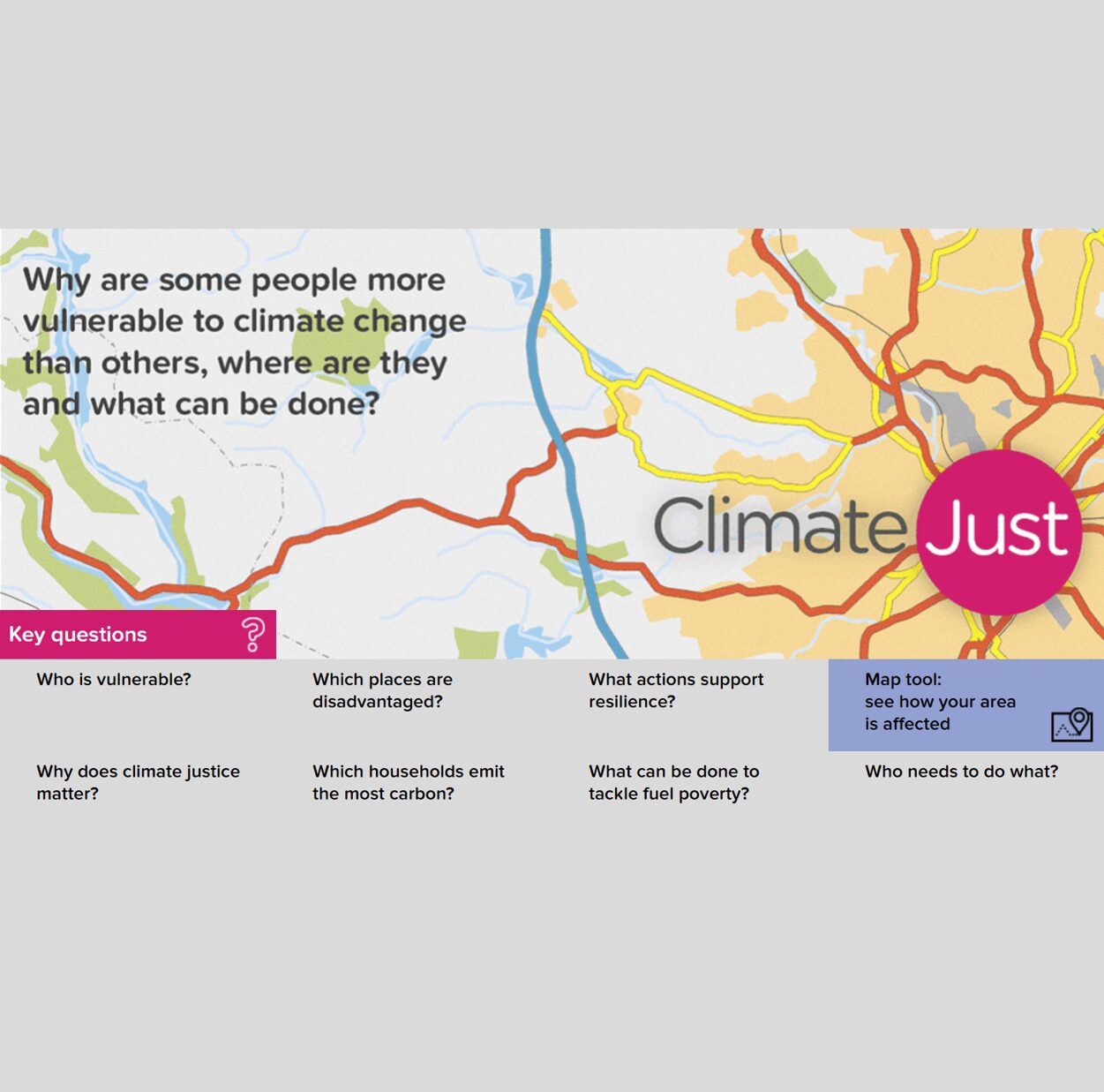
Climate Just is a free webtool for public service providers designed to: identify who is vulnerable to climate change and fuel poverty and why, highlight neighbourhoods where climate disadvantage is highest, explain the factors involved and help you decide what actions to take.
Discover the Met Office's Local Authority Climate Service (LACS) tool that help UK Local Authorities and others understand climate risks and build resilience. Access local Climate Reports, explore the Climate Explorer, and find guidance on assessing risks and taking action to adapt to climate change.
Use this tool to see what the scientific research is saying about - How local climates will change? What health and community impacts may occur as a result? Who will be most vulnerable and why? Which adaptations to consider ?
A project to develop adaptation capability within the NHS was carried out in 2024 by two independent organisations in the UK and three NHS organisations in the north of England. This article provides an overview of the project as a whole and what it hopes to achieve.
This article provides an introduction to writing a climate change adaptation plan and reporting on adaptation in the NHS as context for two documents that can be found in the resource section: a downloadable Adaptation Plan Template, and a guide for including adaptation in your Green Plan and other regulatory guidance related to adaptation in the NHS.
Forest Research (FR) is the research agency of the Forestry Commission (FC) and Great Britain’s principal organisation for forestry and tree-related research. Forest Research is internationally renowned for the provision of science, research, evidence, data and services in support of sustainable forestry.
Do you have a report or case study to share, do you want to undertake research and learn from other’s experiences, or are you hoping to connect, discuss and collaborate with others?
POWERED BY weADAPT
This site is powered by the weADAPT network. weADAPT is a collaborative platform on climate adaptation issues. When you register, your ID will allow you to collaborate across the whole network and connect with other contributors.
When you request a new password you will receive an email, please follow the link and update your password immediately.
Create an account
Register for a free MACC account and start adding content. If you already have an account then please log in.
POWERED BY weADAPT
This site is powered by the weADAPT network. weADAPT is a collaborative platform on climate adaptation issues. When you register, your ID will allow you to collaborate across the whole network and connect with other contributors.