
MACC Hub Annual Conference 2025: highlights, insights and next steps

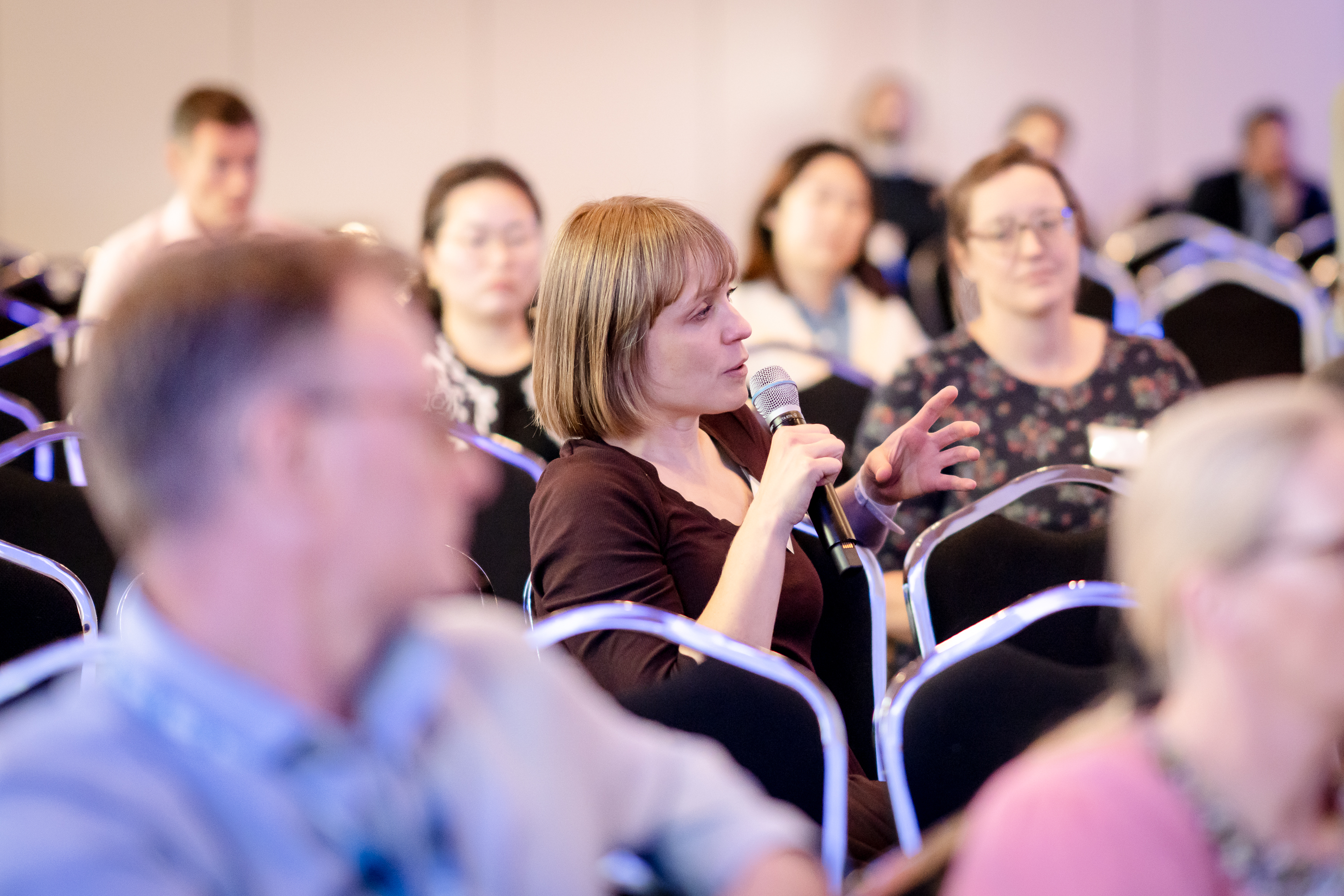
“Adapting to our changing climate is an opportunity to do things that matter to everyone — protecting the places we love, improving communities and businesses, and supporting those who need it most.”
Jonny Casey, Head of Programmes and Partnerships, Verture
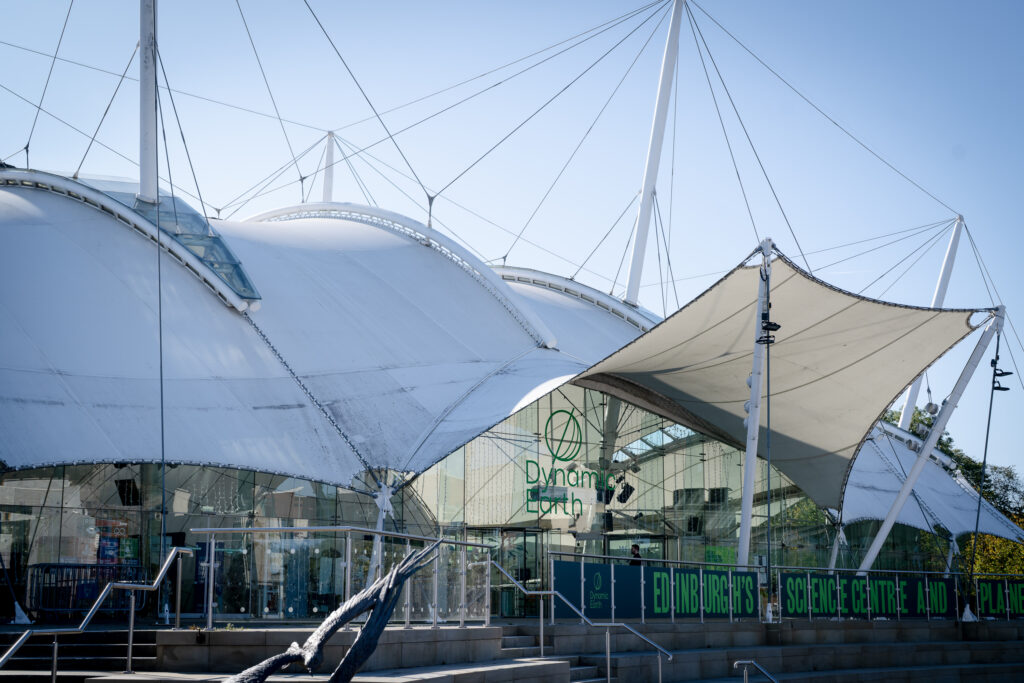
That was the message from Jonny Casey, Head of Programmes and Partnerships at Verture, as he opened the MACC Hub’s first-ever annual conference on 25 September 2025 at Dynamic Earth in Edinburgh.
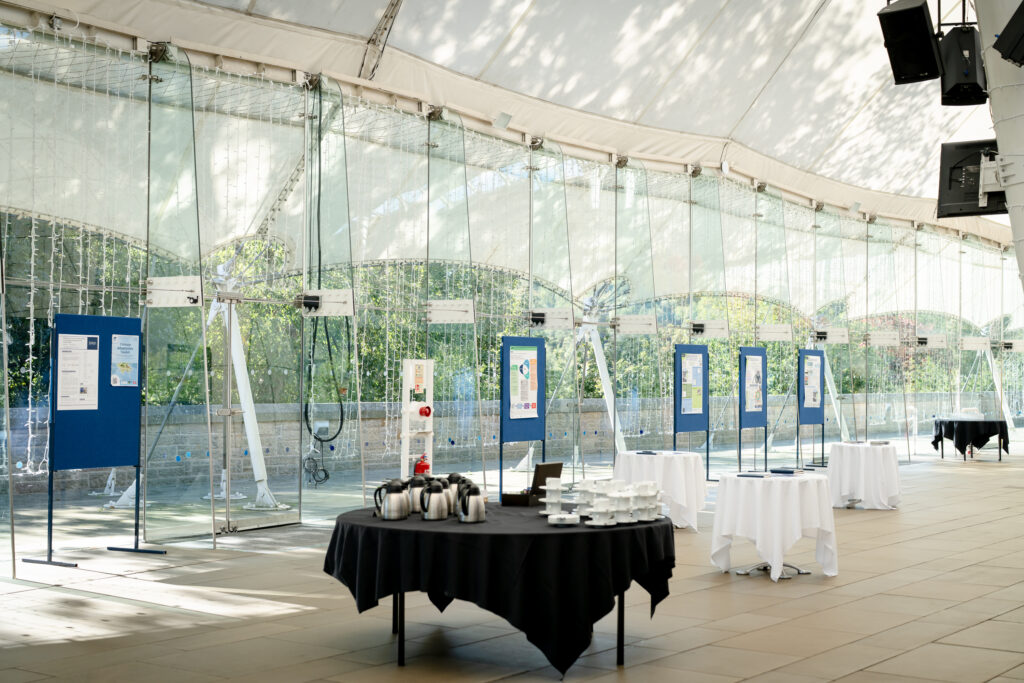
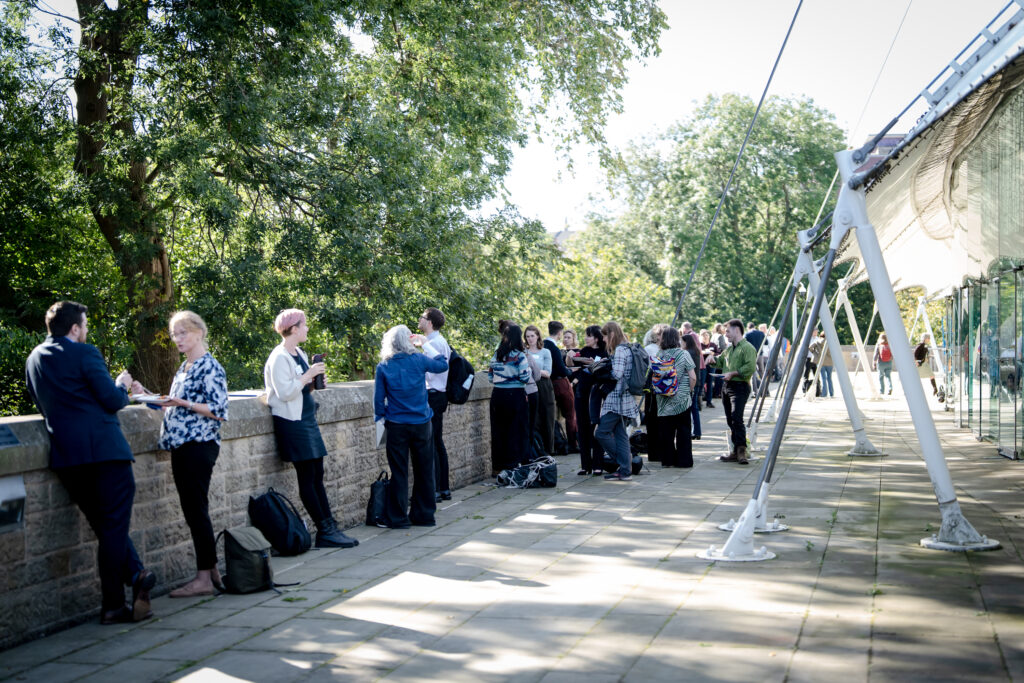
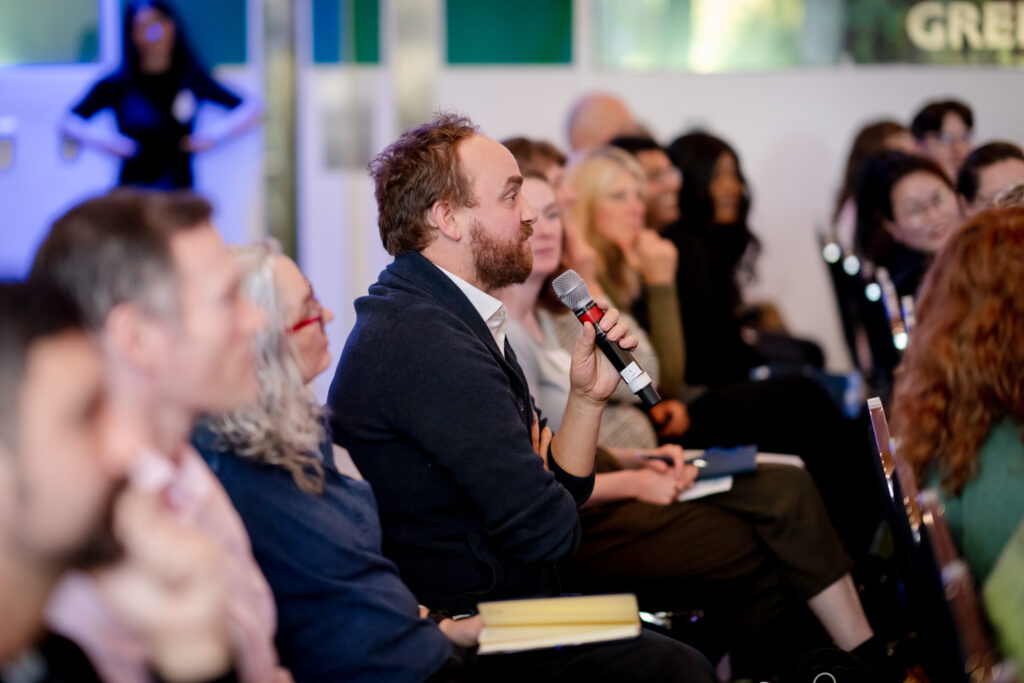
Organised by Verture, part of the MACC Hub’s Scotland Spoke, the event brought together over 200 people from across policy, practice, and research. The day marked a major milestone for the Hub and for the growing community working to accelerate adaptation across the UK.
We explored what transformational adaptation can look like — not in theory, but in practice. With sessions focused on systems thinking, social vulnerability, how to engage people on adaptation and real-world solutions, the conference created space for honest dialogue and cross-sector collaboration. Throughout the day, one message kept coming through: climate adaptation is complex, but it’s also deeply human; about the world we live in and the values we choose to protect. The conference also surfaced a shared recognition: adaptation can’t happen in silos. It must be woven into how we plan, build, govern and support communities. We are so grateful to all attendees for bringing their energy and expertise. The insights and feedback gathered will be crucial in helping inform how the MACC Hub can support the work of those doing climate adaptation and turning thinking into adaptation action.
Below is a recap of key takeaways, memorable moments and what lies ahead for the MACC Hub.
Stay up to the date on all future MACC Hub events by following us on LinkedIn and subscribing to our newsletter.
Highlights: from ambition to action
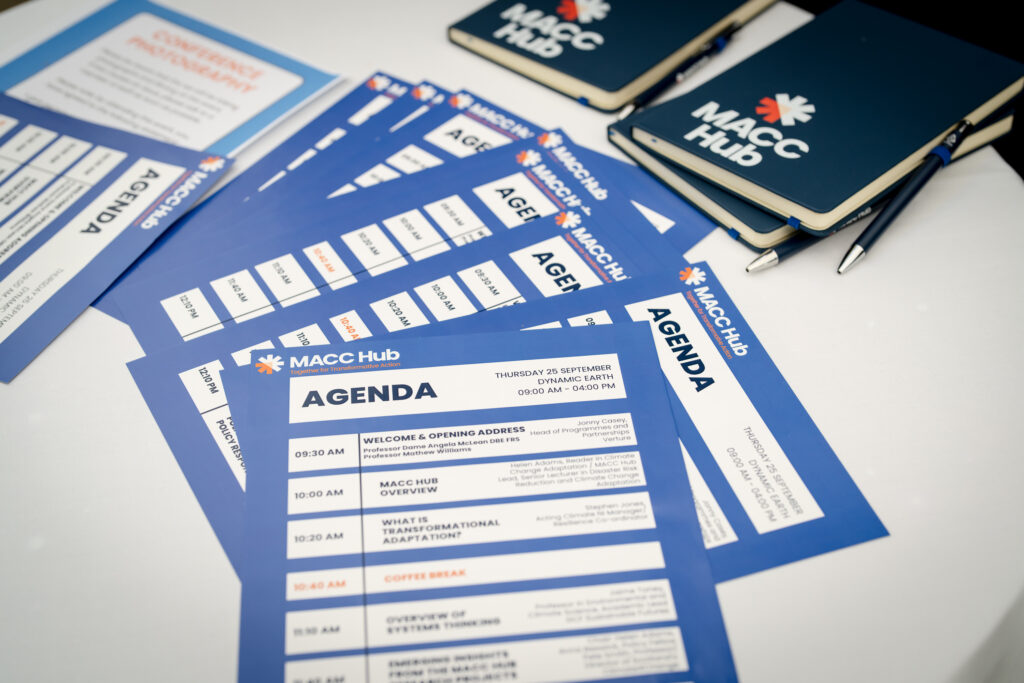
The conference opened with a welcome from Jonny Casey, then Helen Adams, MACC Hub Lead, who reiterated the Hub’s mission: unlocking transformative adaptation for a well-adapted UK. The MACC Hub achieves this by addressing root vulnerabilities, applying justice-oriented approaches and aligning adaptation with policy levers. There was also an opportunity to hear from the Scottish Government’s Deputy Chief Scientific Advisor, about how the Scottish Government are taking evidence-based approaches to policymaking, and the urgency and importance of the challenge of building resilience to climate change in a way that makes Scotland fairer, through policies such as the Scottish National Adaptation Plan.
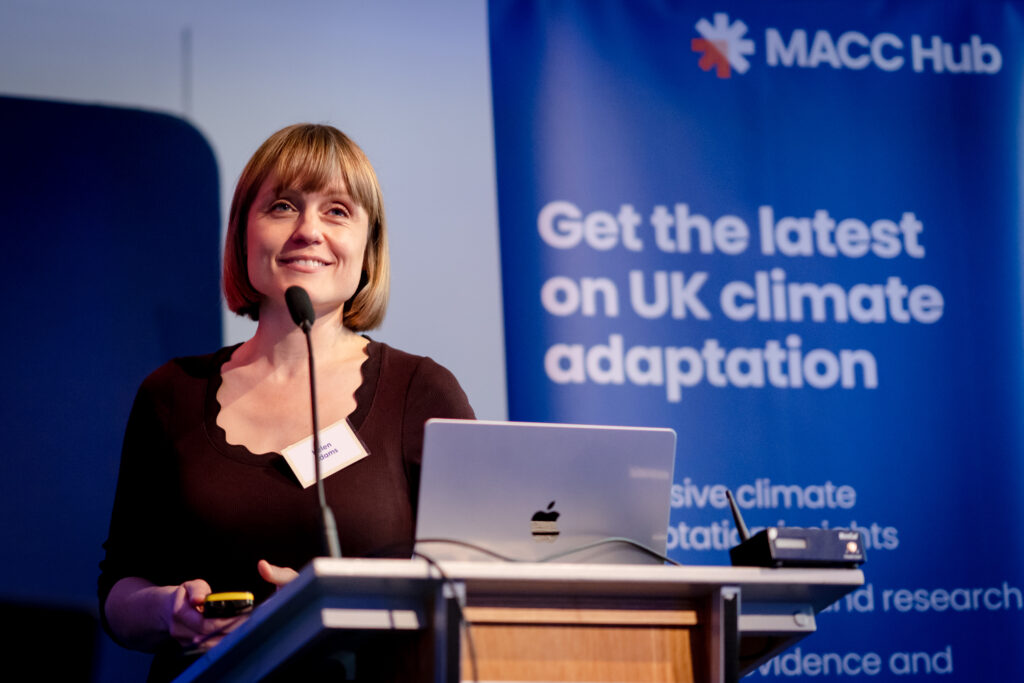
“The MACC Hub is offering a real opportunity to bring different sectors together and have wide reaching impacts on people’s ability to do adaptation.”
– Helen Adams
Stephen Jones, Acting NI Climate Manager, challenged attendees to think beyond incremental fixes, asking: “What is Transformational Adaptation and how can we make it usable in practice?” He emphasised embedding social empowerment, fairness and long-term thinking, and urged a revaluation of what we truly value in relation to adaptation, from social cohesion to our relationship with nature. Jaime Toney, Professor at the University of Glasgow, then led a session on systems thinking, highlighting its essential role in effective adaptation. She explained how systems thinking helps us understand intervention options, stakeholder roles and interactions; creating a shared language for collective action.
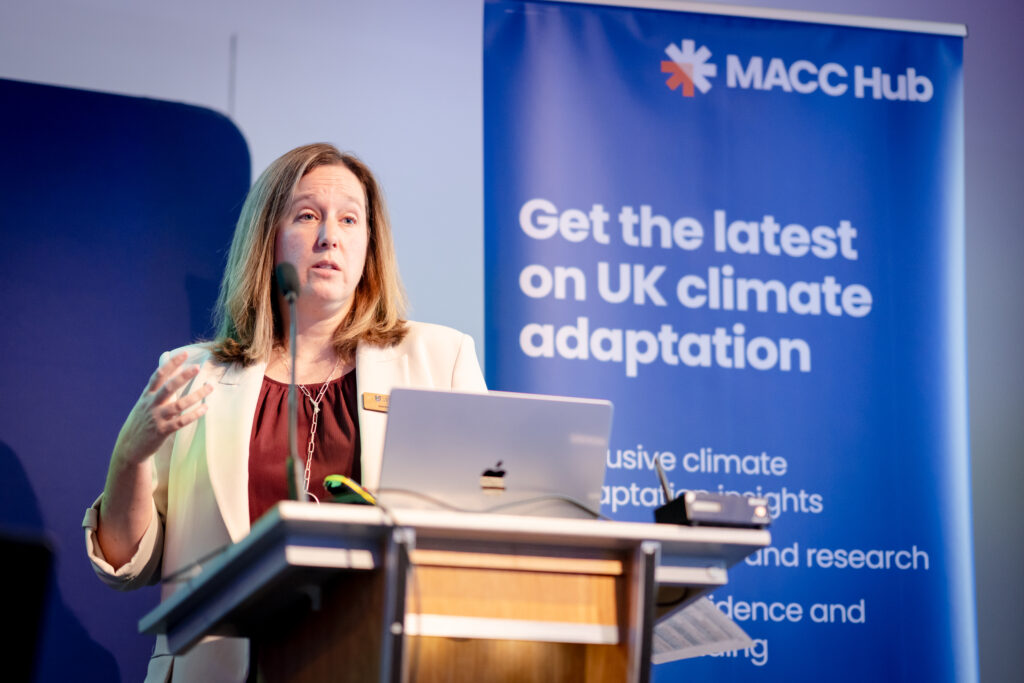
“Vulnerability doesn’t fall from the sky.”
– Jaime Toney
Jaime explained that adaptation must tackle systemic drivers of vulnerability, not just climate hazards. Aligning national plans around a shared vision unlocks coordinated, purposeful adaptation. She also emphasised the need for an enabling environment that embraces “creative tension” — the challenging conversations where real change begins.
Emerging insights from MACC Projects
A lively panel discussion featured Pete Smith (University of Aberdeen), who leads the “Adapting to climate-induced food price shocks in the UK” project, and Anna Beswick (Grantham Research Institute, LSE), lead on the ATTENUATE project. Chaired by Helen Adams, the session explored novel approaches to climate adaptation, highlighting participatory methods that centre marginalised groups often excluded from planning. Anna described ATTENUATE as pioneering work to create enabling conditions for climate adaptation investment.
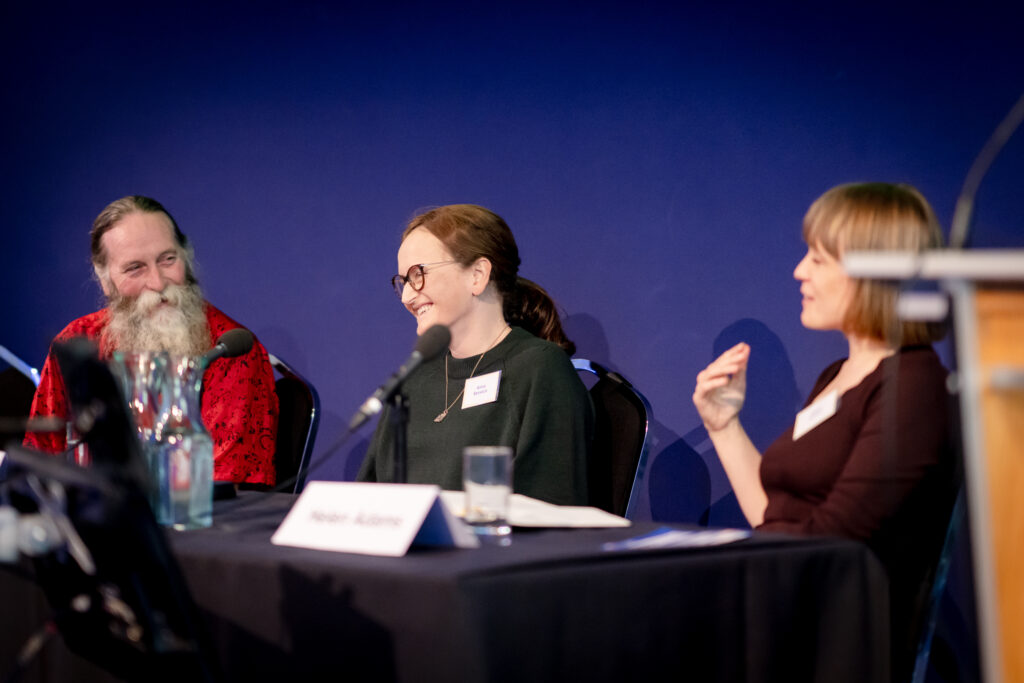
“Co-creation is adaptation. It’s not optional. We cannot adapt to climate change in isolation.”
– Anna Beswick
Pete’s research connects nutrition inequality with climate change, focusing on UK communities vulnerable to malnutrition and poor diets. His work seeks to influence policy to support those facing overlapping health and climate risks.
“This work is a piece of the puzzle — pushing government to support those already suffering, whose situation will only worsen without bold action.”
– Pete Smith
Bridging research and policy
Early-career researchers from the Policy Research Unit (PRU) showcased projects that directly support government adaptation responses, with funding focused on policy relevance and inclusivity. The next funding round opens in January 2026.
Farming — Dr Ellie Murtagh (Defra): Exploring trade-offs and co-benefits of over 200 on-farm adaptation actions. The project aims to develop a database to guide policymakers in balancing resilience with goals like net zero and biodiversity.
Adapting Homes for Overheating — Dr Isabel Shaw (King’s College London): Investigating low-cost retrofit solutions to tackle overheating in rental homes. Combining evidence reviews, interviews, and focus groups, this research will inform best practice guidance and the Decent Homes Standards revision in 2025.
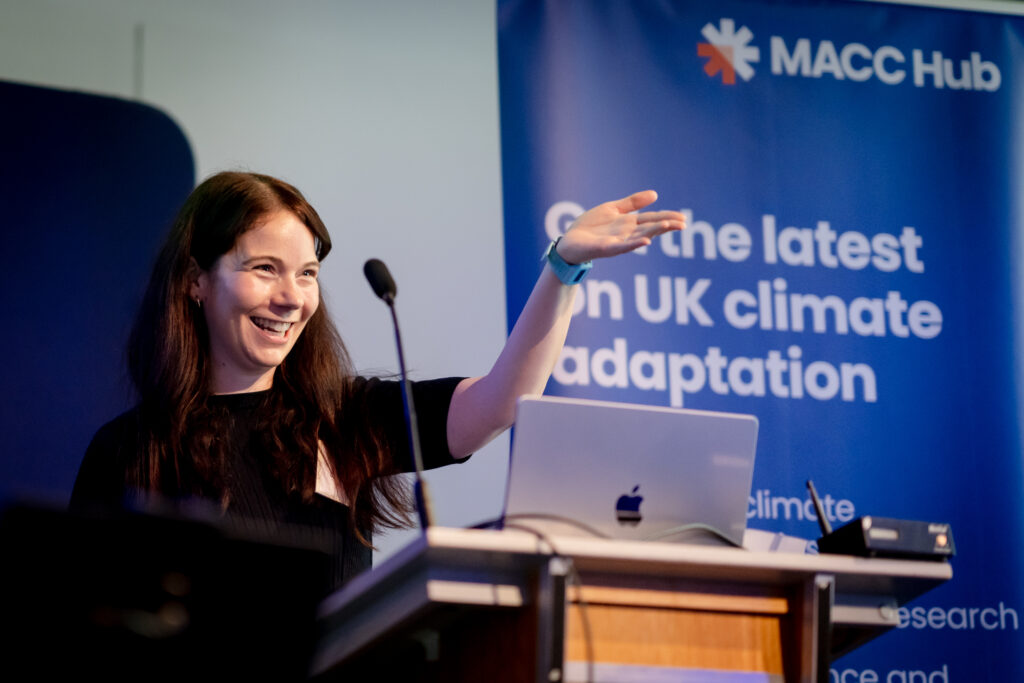
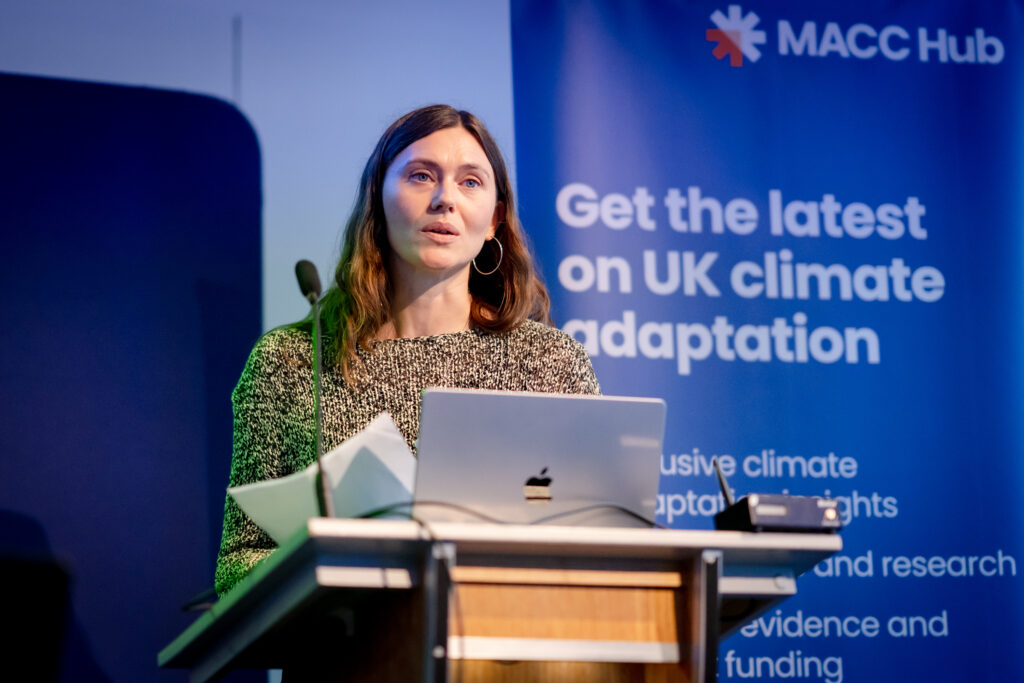
Anne Marte Bergseng, Programme Manager at ClimateXChange, closed this session by reminding attendees that impact is a process built on trust; combining credibility, reliability and empathy. She urged researchers to provide timely, clear evidence that answers policymakers’ questions and cautioned against self-promotion.
“Focus on actionable insights rather than defaulting to ‘more research needed.’ Effective policy influence demands clear communication tailored to decision-makers.”
– Anne Marte Bergseng
Afternoon Workshops
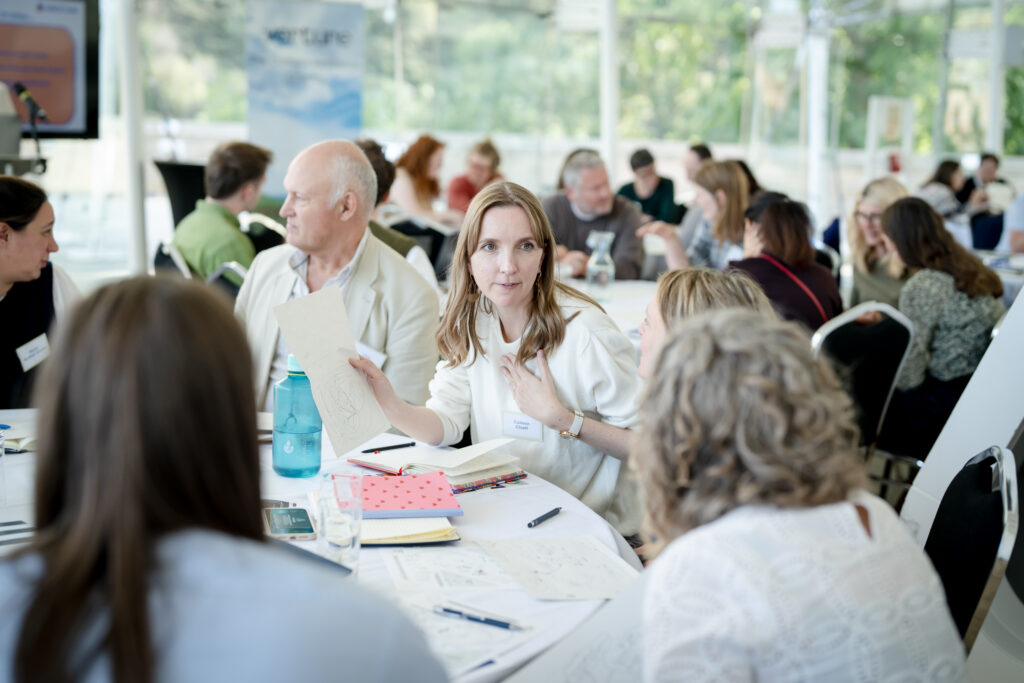
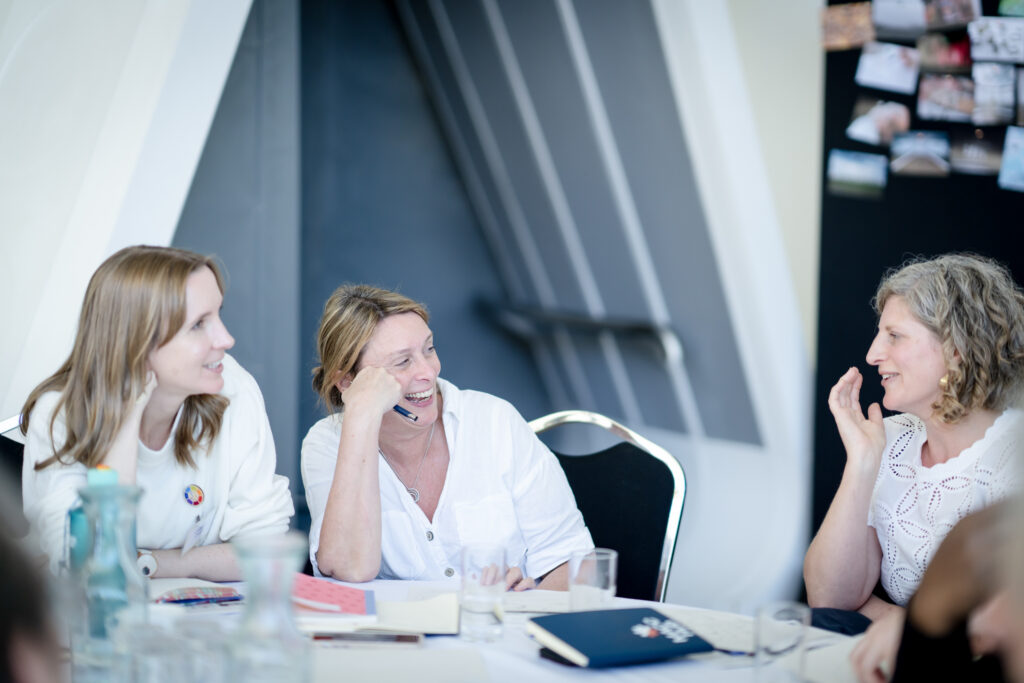
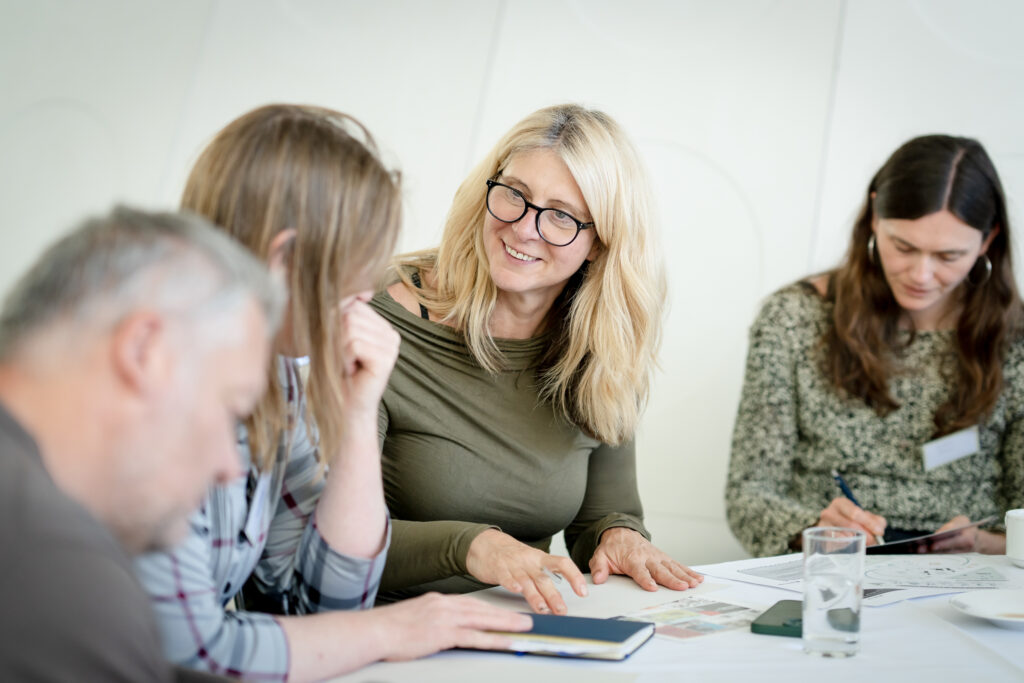
In the afternoon, conference participants got involved in a series of workshops to explore new approaches to communicating climate change adaptation, new data tools to support decision-making on adaptation, and how thinking about how systems can support efforts to reduce vulnerability. These small-group sessions gave people space to share ideas, reflect on challenges and explore solutions together. The sessions reflected the MACC Hub’s commitment to making adaptation accessible, collaborative and grounded in place-based realities.
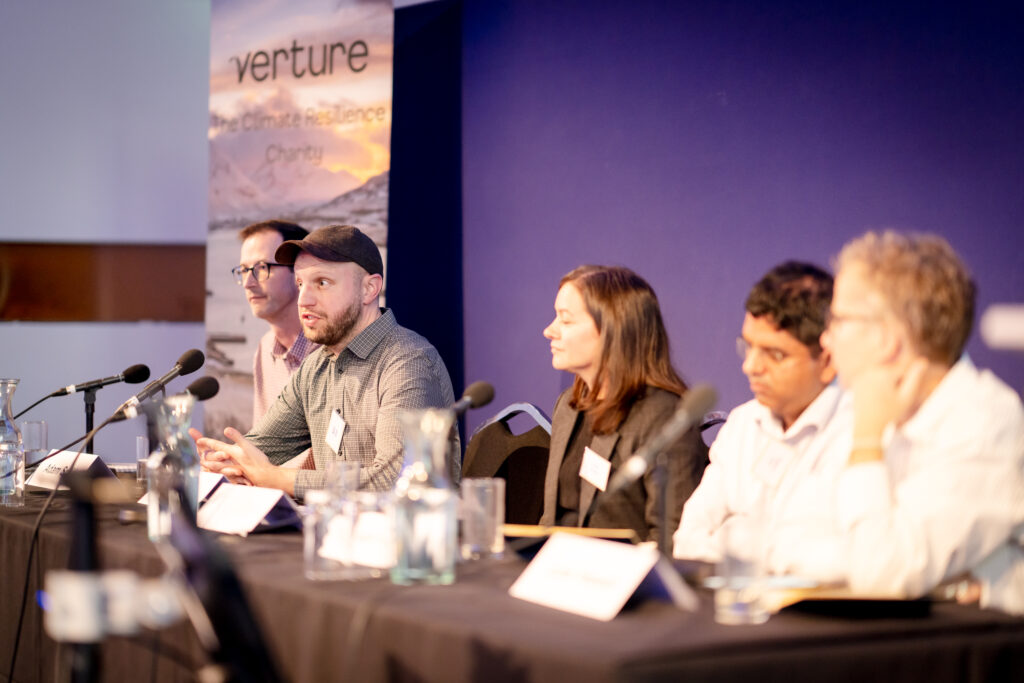
A session led by Dr Raghav Pant (Oxford University), Katie Jenkins and Adam Smith (Tyndall Centre) and Alan Carr (Sustainability West Midlands) introduced two open-access tools: NIRD and OpenCLIM. These tools help decision-makers understand regional climate risks: from flood impacts on transport infrastructure to heat stress and biodiversity loss. When combined with data on vulnerable people and critical assets like hospitals and schools, the tools support smarter, more targeted adaptation planning.
Another session focused on learning from Scotland’s adaptation journey. Emilie Wadsworth (Verture) and Anne Marte Bergseng (ClimateXChange) discussed the importance of embedding adaptation into the just transition and building trust between researchers and policymakers. George Tarvit (ECCI) introduced the Sustainable Scotland Network: a 600-member-strong public sector network supporting climate leadership and knowledge exchange across the country.
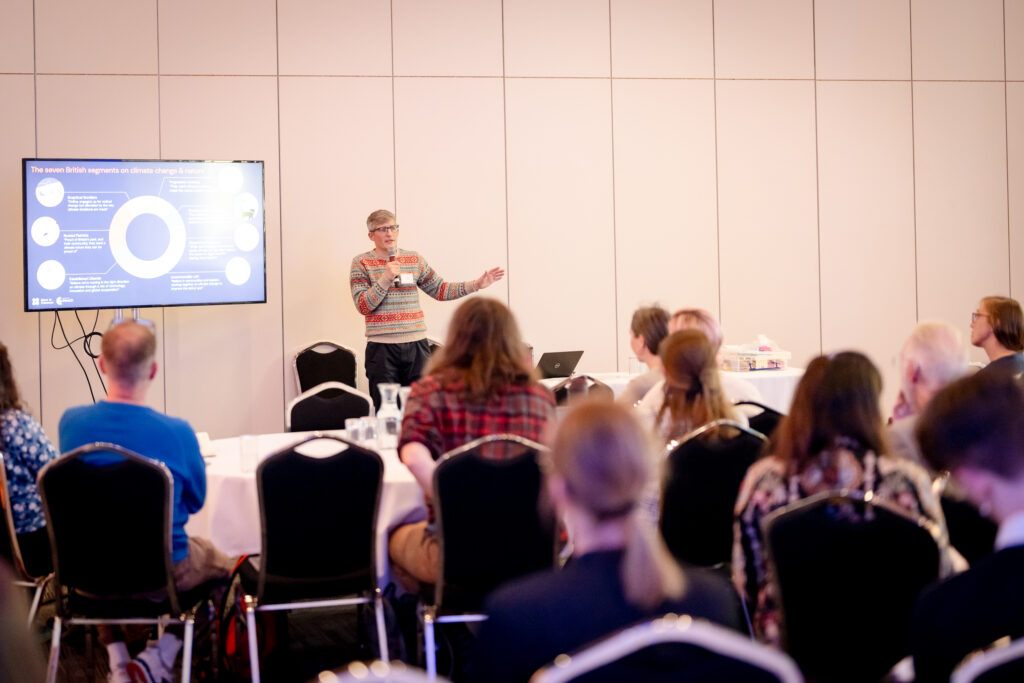
Chris Pollard (Climate Outreach) guided attendees through new research on how to engage the public on climate adaptation, drawing on the Britain Talks Climate & Nature segmentation model. This toolkit helps communicators understand how different values and worldviews shape people’s responses to climate change and nature, making it easier to tailor meaningful, inclusive messages.
The workshop hosted by Shruthi Krishnamoorthy (SEI) introduced our evolving MACC Hub Knowledge Hub. This is a digital platform designed to connect research, policy and practice. With brand-new interactive maps, local case studies and nation-specific content, Shruthi invited delegates to get involved and explore the site, offering opportunities to submit content and provide feedback on the portal.
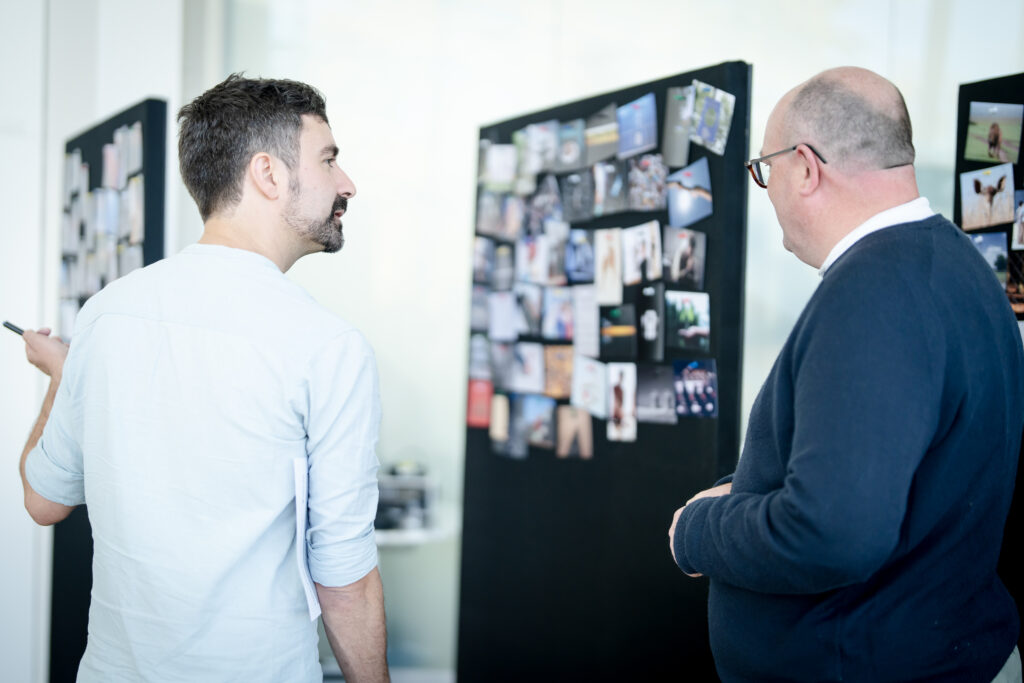
Professor Jaime Toney and Dr Elaine Heslop introduced systems thinking in practice, guiding participants through a range of participatory tools to explore its relevance and application in transformative adaptation — a key area of focus for the Scotland Spoke. Through Systems Mapping and photo elicitation exercises, participants reflected on how they see themselves within wider systems and discussed how adopting a systems perspective can deepen understanding and improve the effectiveness of their adaptation practice.
The second session led by Professor Jaime Toney, explored how adaptation practitioners in different sectors currently percieve their training provision for delivering transformational adaptation and identify key gaps in current skills coverage. Several participatory exercises generated fruitful dialogue between the participants, including how people relate to and make sense of the idea of transformational adaptation, mapping gaps in stakeholders’ individual and organisational needs for effective operationalisation of adaptation training and skills.
Key Takeaways
Conversations from the conference highlighted that we must put vulnerability first, focusing adaptation efforts on the people and places most at risk. It’s also essential to think in systems, recognising that one-off fixes aren’t enough and that adaptation challenges are interconnected across sectors. Bridging research and action is crucial, academic work should be accessible and inclusive of local voices throughout the research process. Adaptation should also work within existing systems, being integrated into current policy and planning rather than treated as an afterthought. Finally, collaboration is key, real progress relies on partnerships that span sectors, regions and all levels of government.

What’s next for the MACC Hub?
The MACC Hub is turning momentum into action. Insights gathered at our conference are directly shaping our next steps — informing updates to the website, the development of new training offers, and the narratives that underpin how we communicate adaptation across the UK.
A key focus for the year ahead is learning by doing through our Flexible Fund projects, which will pilot place-based adaptation solutions and test bold ideas in real-world settings to understand what works, where, and for whom.
We’re also getting ready to launch our OpenCLIM workshops, with Sustainability West Midlands (SWM) as our engagement partner for England, supporting the development of non-academic outputs and wider stakeholder engagement. These workshops are part of a UK-wide series designed to support local and regional actors in using open-access climate risk tools to inform place-based adaptation planning. They will provide practical guidance on how to access and apply climate risk data, with a focus on supporting evidence-based local adaptation strategies.
Meanwhile, our digital platforms continue to grow: we’re enhancing the UK Adapt Map and Knowledge Hub to make it easier for people to connect, share evidence, and access the latest adaptation insights. And through our monthly webinar series, we’ll keep exploring key themes identified across the four nations — featuring a diverse range of voices from the UK adaptation community.
Sign up to our newsletter to stay updated on all upcoming events, webinars and training sessions.
“This first national conference was a wonderful opportunity to bring together incredible people from across the UK to explore how we can respond to our changing climate in the most fair, effective, and inclusive way. I am proud we were able to create opportunities for new connections and collaborations between community leaders, researchers, policy makers, and technical experts from all sectors.”
Jonny Casey, Head of Programmes and Partnerships, Verture
Thanks and acknowledgements
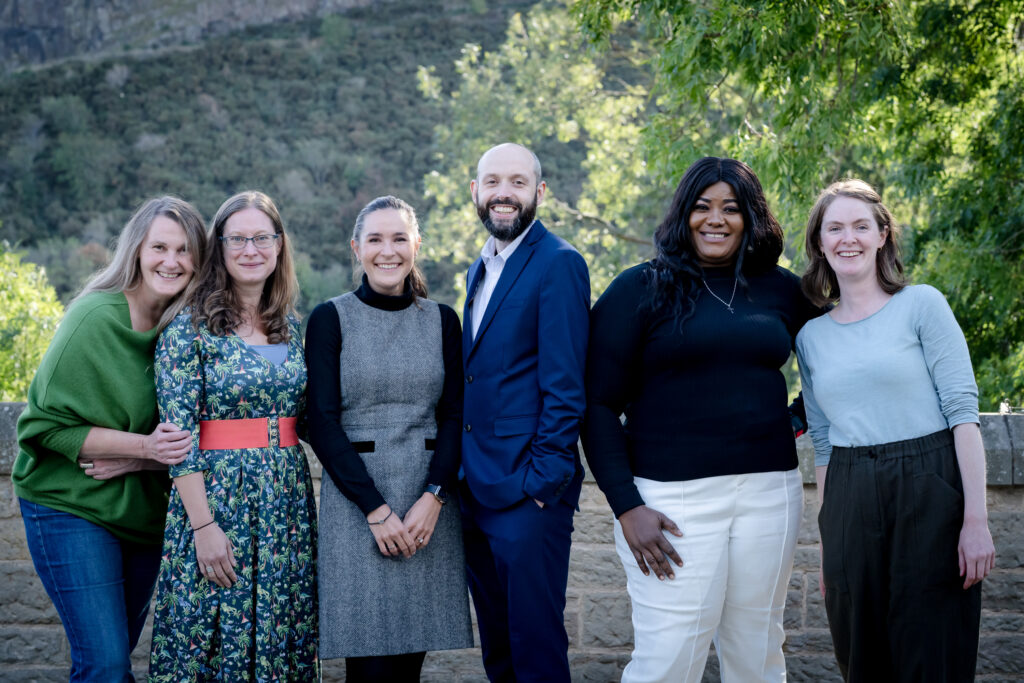
Thanks to everyone who attended, contributed and engaged throughout the day. Your insights, questions and enthusiasm made this event a success. A special thanks goes to Verture for hosting and organising, to all speakers and workshop facilitators for sharing their vital work, and to the wider MACC Hub team for your support and commitment.
The MACC Hub, led by King’s College London and funded by DEFRA and UKRI, continues to drive forward adaptation knowledge and action. Stay connected with us via our website, newsletter, and LinkedIn for updates on upcoming events and opportunities.
Further resources




Five insights from the launch of a new initiative to help the UK adapt to climate change

MACC Hub Webinar Series



Comments
There is no contentYou must be logged in to reply.